Free Vending Machines
In recent years, the concept of free vending machines has emerged as an innovative response to address various community needs in Victoria. Unlike traditional vending machines, which require payment for goods, free vending machines can offer items such as toiletries, hygiene products, and even food at no cost to users, usually this is paid for by the Government in Victoria. This initiative is designed to provide essential items to individuals, particularly those facing financial hardship, homelessness, or food insecurity, thereby fostering a sense of community support.
The growing trend of implementing free vending machines throughout various locations in Victoria, from bustling central business districts to more remote countryside areas, reflects an increasing awareness of social issues and a commitment to ensuring that basic necessities are accessible to all. By strategically placing these machines in public spaces, local governments, nonprofits, and community organizations aim to reach vulnerable populations who may otherwise struggle to obtain such resources. This proactive approach not only alleviates some burden on individuals but also promotes a collaborative spirit within the community.
Importantly, the introduction of these machines serves more than just a functional purpose. They also represent a societal shift towards recognizing the humanity and dignity of every community member. By providing free access to essential items, these vending machines help break down stigma and barriers associated with poverty, encouraging equitable access for all. Furthermore, the convenience offered by vending machines… can contribute to improved public health by ensuring that everyone has access to vital hygiene products and nutritious food.
As free vending machines continue to become more prevalent across Victoria, their impact may extend beyond merely providing goods. They may play an essential role in cultivating community resilience and fostering a sustainable support system that enhances the quality of life for all residents.
History of Vending Machines in Victoria
The evolution of vending machines in Victoria is a chronicle marked by innovation, adaptation, and a gradual shift in consumer expectations. The earliest vending machines were introduced in the late 19th century, primarily dispensing items such as postcards, gum, or confectionery. These machines were rudimentary, often requiring coins and reliant on mechanical systems, embodying the principles of self-service and convenience.
As industrialization progressed into the 20th century, the technology behind vending machines saw significant advancements. With the introduction of electricity, machines became more sophisticated, allowing for a wider range of products. The post-war period marked a pivotal moment in Victoria’s vending machine history, where the concept evolved to include not just snacks and beverages but also hot food and fresh products from 2008 onwards. These developments resonated with a consumer culture marked by increasing mobility and the demand for convenience. However, the traditional model remained largely based on paid transactions…evolving to using Cashless Payment acceptance by using a debit or credit card.
In the late 20th and early 21st centuries, a noticeable shift began to take place. The rise of the internet and digital payment systems transformed how consumers interacted with vending machines. Additionally, growing concerns over food justice and access led to experimentation with free vending distributions, particularly in underserved communities. This shift gained momentum amidst the COVID-19 pandemic, which highlighted essential service needs and spurred initiatives focused on providing free access to food and hygiene products.
As a result, the landscape of vending machines in Victoria has gradually evolved from exclusive paid access to a more inclusive model. Today, free vending machines have emerged, not only as a means of addressing immediate community needs but also as a reflection of changing consumer behaviors and societal values. This transition illustrates a broader trend towards ensuring access to essential goods for all, further signifying the dynamic role vending technology plays in urban and rural environments alike.
Where to Find Free Vending Machines in Victoria
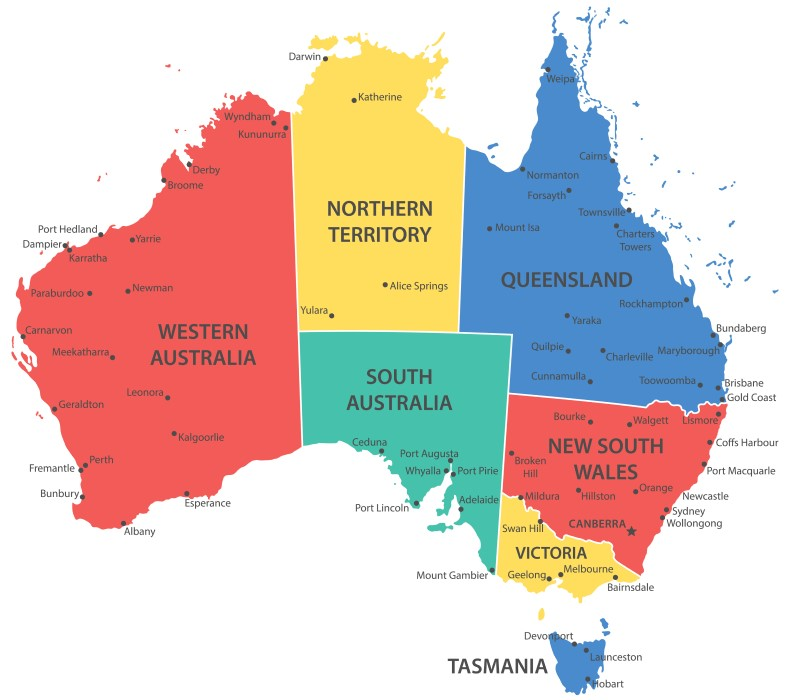
In recent years, free vending machines have gained significant traction in Victoria, catering to a growing need for accessible food and essential supplies, such as toiletries, cosmetics and even PPE vending machines in factories and even construction sites. These machines are strategically placed in various locations ranging from the bustling streets of Melbourne CBD to tranquil suburban areas and rural settings in Vic. The proliferation of these vending machines is often tied to the efforts of local businesses, community organizations, and social enterprises aiming to support those in need.
In Melbourne’s Central Business District, numerous vending machines can be located outside key landmarks, public transport hubs, and popular public spaces. They are often set up by non-profit organizations that aim to alleviate hunger and reduce food waste. These machines typically dispense healthy snacks, meal kits, or hygiene products aimed at underserved communities. The rationale is straightforward: by placing resources in high-traffic areas, organizations can reach individuals who may not have the means to purchase food or essential items.
Moving beyond the CBD, free vending machines have been introduced in various suburban areas. Local grocery stores, chemist shops are starting to realize how this convenience can benefit community centers, and even libraries often host these machines to create a supportive ecosystem. Here, the collaboration between local businesses and social initiatives helps distribute food and supplies effectively. These machines are especially prevalent in areas identified as food deserts, where access to affordable and nutritious food is limited. Not forgetting the Hot Coffee and Hot chocolate that can be made on demand almost as good as a Melbourne Coffee barista.!
In rural regions in Vic, the placement of free vending machines demonstrates the commitment to ensuring that all residents, regardless of their geographical location, have access to the resources they need. Here, machines can often be found at schools, churches, or community gathering spots. The rationale behind this effort is to foster inclusivity and support the well-being of all community members, providing them with essential goods at no cost or some sites still need to sell for a cost but this is generally at discounted prices as compared to la local take away shop..
The Supplies Offered by Free Vending Machines
Free vending machines have increasingly become a vital resource in communities across Victoria, offering more than just convenience; they serve essential supplies that cater to diverse demographics and needs. Operating from Melbourne’s central business districts to the countryside in Victoria, these machines have been tailored to meet the varying requirements of individuals in different various environments. In urban settings, for instance, you are likely to find a wide array of snacks such as granola bars, chips, and nuts, alongside beverages like water, juices, iced coffee’s, energy drinks and various flavored soft drinks. This selection not only reflects popular consumer preferences but also promotes good and bad to even healthier snacking options.
In more rural areas, the focus of free vending machines shifts slightly to include personal hygiene products that may not be easily accessible. Items such as toiletries, sanitary products, and even baby necessities are becoming commonplace in these automated dispensers. By incorporating these essentials, free vending machines address basic needs, particularly for those who may struggle to afford such items or have difficulty traveling to stores, thereby enhancing overall community well-being.
Moreover, many of these machines are strategically placed to serve specific populations, including students, the elderly, and marginalized groups. For example, machines located near universities often feature affordable and convenient snacks that cater to students’ busy lifestyles, while those situated near community centers may include products focused on well-being and hygiene. This thoughtful selection is intended to reduce barriers to access, making it easier for all individuals to obtain necessary supplies. The expanding availability of free vending machines signifies a progressive step towards communal support, demonstrating that addressing basic needs should be accessible to everyone, regardless of their location.
Benefits of Free Vending Machines for the Community
The introduction of free vending machines across various regions in Victoria marks a significant shift in how local communities can address pressing issues such as food insecurity and access to essential items. These innovative machines serve as accessible touchpoints for individuals and families who may struggle to obtain nutritious food options or essential goods, particularly in underserved areas. By placing these vending machines in both urban and rural settings, municipalities are directly combating food insecurity, a challenge that affects a considerable segment of the population.
One of the primary benefits of free vending machines is that they provide convenient access to nutritious food. Unlike traditional food banks, which may have limited hours or require lengthy application processes, free vending machines offer a no-strings-attached solution to accessing healthy snacks and meals. This not only increases the likelihood that individuals will choose healthier options over convenience store fare, but also promotes the notion that everyone deserves access to good food, regardless of their financial situation.
Moreover, these machines contribute positively to community wellness. By incorporating a variety of healthy offerings—such as fruits, nuts, and whole grains—they encourage better nutritional choices among users. The ease of use and visibility of vending machines can also lead to more community engagement, prompting individuals to participate in educational programs or workshops about healthy eating and lifestyle choices. As residents become more aware of their food options, they are empowered to make informed decisions that benefit their own health and the well-being of their families.
Additionally, free vending machines can foster a sense of community support and solidarity. As local businesses and organizations participate in stocking these machines with donations of food and essential items, they contribute to a larger mission of caring for their neighbors. The spirit of giving flourishes, reinforcing community ties and encouraging individuals to return the favor by helping others in need. As a result, free vending machines do not merely alleviate immediate needs; they strengthen the fabric of community life in Victoria.
Challenges and Limitations of Free Vending Machines
The introduction of free vending machines across Victoria presents a unique set of challenges for operators. While the concept promotes accessibility and reduces barriers to essential goods, maintaining these machines is complex. Regular maintenance is crucial to ensure that the vending machines function properly and are stocked with necessary items. Addressing mechanical failures or restocking supplies necessitates a committed operational schedule, which can be resource-intensive.
Supply management is another significant challenge. Operators must implement an efficient logistics strategy to retrieve data on inventory levels, resupply the machines when needed, and anticipate demand patterns. This is particularly important in rural areas where the population density may fluctuate, impacting the usage of vending machines. Ensuring a consistent supply of goods not only keeps the service functional but also engenders trust among users, vital for the success of these initiatives.
Moreover, the issue of vandalism poses a risk to free vending machines. Given that these machines are often placed in public spaces, they may become targets for damage, theft, or tampering. Such incidents not only incur repair costs but also deter users who may feel unsafe engaging with the machines. The security of the machines, therefore, becomes paramount, calling for innovative designs and potentially the installation of surveillance systems to protect the machines and the valuable resources they dispense.
Location selection is another critical factor in the success of free vending machines. Identifying areas with high foot traffic but low access to essential items ensures that these machines serve a genuine need. However, operators face limitations when it comes to securing suitable locations, often constrained by permissions from local authorities or property owners. Balancing these logistical and operational hurdles is essential for the sustainable implementation of free vending machines across Victoria.
Case Studies: Successful Free Vending Machine Programs
The introduction of free vending machines across various regions in Victoria has showcased a remarkable shift in community support and engagement. Multiple organizations have championed this initiative, enhancing accessibility to essential items for vulnerable populations. A notable example is the initiative led by the Brotherhood of St. Laurence (BSL) in Melbourne’s CBD. This program was launched to address food insecurity and provide nutritious options to individuals facing hardship. The success of BSL’s program has resulted in the installation of several vending machines stocked with healthy food items, paired with ongoing community feedback mechanisms to ensure the offerings meet local needs effectively.
Additionally, the Food Pantry Program in Geelong serves as a prime illustration of how free vending machines can foster community unity. Managed by the local council in collaboration with various non-profit groups, this initiative has strategically placed vending machines in public areas. Designed to combat food waste while promoting sustainability, these machines dispense surplus food donated by local businesses. The positive reception from the community has highlighted the program’s role in not only helping those in need but also in raising awareness about food redistribution and environmental responsibility.
In rural areas, the Bendigo Free Pantry initiative has also gained momentum, focusing on providing essential supplies to residents in remote communities. The project, spearheaded by local volunteers, involves machines that offer free personal hygiene products and non-perishable food items. This effort has been instrumental in eliminating barriers to access for those living outside urban centers, fostering a profound sense of solidarity among residents. These case studies reflect the diverse applications of free vending machine programs throughout Victoria, with each instance embodying community collaboration and a commitment to addressing pressing social issues.
How to Get Involved or Start a Program
Initiating a free vending machine program requires careful planning and collaboration with community partners. The first step is to identify your target community, whether it’s urban or rural, to understand the specific needs of the population you’re aiming to serve. Assessing the needs will guide your decisions on the type of products to dispense from the machines.
Once you have identified your community and their needs, the next stage involves acquiring vending machines. Various options are available, including purchasing new or used machines, or even repurposing existing ones. Local vendors and online marketplaces can be valuable resources for sourcing machines. Additionally, consider engaging with businesses that may be willing to donate equipment as part of their corporate social responsibility initiatives.
Following the acquisition of machines, you will need to focus on sourcing supplies. This requires establishing connections with local food banks, grocery stores, and businesses willing to contribute food items or hygiene products for distribution. Organizing regular supply runs or setting up scheduled donations will ensure that the machines remain stocked and operational. It is essential to maintain communication with your suppliers to ensure a consistent flow of items.
Engaging with community partners plays a crucial role in the sustainability of the program. Develop relationships with local non-profit organizations, community service providers, and government agencies. Collaboration with these entities can help spread awareness of your initiative, gather volunteers for maintenance and stocking, and secure funding or resources. Consider creating a volunteer program to involve community members directly, fostering a sense of ownership and responsibility around the initiative.
Through these steps—identifying the need, acquiring machines, sourcing supplies, and fostering community partnerships—you can establish a successful free vending machine program that addresses essential resources within your community.
Future of Free Vending Machines in Victoria
The trajectory of free vending machines in Victoria indicates significant potential for growth and innovation over the coming years. As communities evolve, so do their needs, encompassing shifts in consumer preferences, technological advancements, and increased emphasis on sustainability. These factors contribute to shaping the future landscape of free vending machines throughout the region, from urban centres to remote countryside areas.
Innovative technologies are likely to play a pivotal role in the evolution of free vending machines. Integration of smart technology, such as AI and IoT, can enhance the operational efficiency of these machines, enabling better inventory management and personalized user experiences. For example, smart vending machines could leverage data analytics to predict consumer preferences, ensuring that they stock items that are in high demand, thus minimizing waste and optimizing the inventory cycle. Such advancements may also facilitate cashless payments, catering to the growing preference for contactless transactions.
Moreover, the rising awareness surrounding health and wellness is expected to catalyze a shift in the types of products offered through free vending machines. Future iterations of these machines might feature healthier snack options, organic products, or even local artisanal goods, reflecting a transition towards more nutritious lifestyles. Additionally, sustainability practices, such as eco-friendly materials and energy-efficient systems, are likely to become significant selling points for both consumers and municipalities alike.
As free vending machines continue to expand into rural areas, they will play a crucial role in addressing food deserts and providing easy access to essential items. In conjunction with local community initiatives, this could foster a stronger sense of community, positioning free vending machines as pivotal assets in enhancing social well-being. Consequently, the future of free vending machines in Victoria appears bright, driven by innovation, community engagement, and a commitment to meet evolving consumer needs.